
In today’s competitive digital landscape, keywords form the backbone of every successful SEO campaign. A well-structured keyword strategy helps your business understand what your audience is searching for and how you can meet their needs through relevant, optimized content. Without a clear keyword plan, even great content may fail to reach the right audience.
Building a keyword strategy isn’t just about identifying high-volume terms; it’s about understanding the search intent behind those queries. By analyzing your audience, competitors, and market trends, you can develop a targeted approach that boosts your visibility, drives organic traffic, and improves conversion rates.
Whether you’re launching a new website or optimizing an existing one, creating an effective keyword strategy ensures long-term SEO growth. This guide walks you step by step through how to build a keyword strategy that helps your content rank higher and perform better.
Table of Contents
Understanding Keyword Strategy

What Is a Keyword Strategy?
A keyword strategy is a roadmap for how you’ll use specific search terms to attract your target audience through search engines. It involves identifying relevant keywords, analyzing competition, and integrating them naturally into your content. A proper keyword plan helps search engines understand what your website is about and makes it easier for potential customers to find you.
Why a Keyword Strategy Matters
A strong keyword strategy bridges the gap between user searches and your content. It improves your website’s visibility in search engine results, attracts qualified leads, and increases engagement. Without strategic keyword planning, your website may rank for irrelevant queries or miss valuable search opportunities altogether.
Steps to Build an Effective Keyword Strategy
Define Your Goals
Before conducting keyword research, define your SEO goals. Do you want to increase brand visibility, generate leads, or boost sales? Your goals will determine which keywords to target. For instance, an e-commerce site may prioritize transactional keywords like “buy running shoes online,” while a blog might focus on informational ones such as “how to choose running shoes.”
Understand Your Target Audience
Understanding your audience is key to finding the right keywords. Identify who your users are, what problems they’re trying to solve, and the language they use in searches. Create audience personas that reflect their demographics, interests, and search habits. This will help you choose keywords that align perfectly with their needs.
Conducting Keyword Research

Use Keyword Research Tools
Keyword research tools simplify the process of discovering relevant terms. Platforms like Google Keyword Planner, Ahrefs, Ubersuggest, and SEMrush provide data on search volume, keyword difficulty, and competition. Start by listing seed keywords related to your business and use these tools to expand your list with long-tail variations.
Analyze Your Competitors
Competitor analysis helps uncover keyword opportunities that you may have overlooked. By studying which terms your competitors rank for, you can identify gaps and target unexploited areas. Use tools like Ahrefs or SEMrush to analyze their top pages and keyword strategies, then create more valuable, in-depth content on similar topics.
Organizing and Prioritizing Keywords
Categorize Keywords by Search Intent
Search intent reveals the purpose behind a user’s query. Understanding intent helps you craft content that matches what users are truly looking for. The main types of search intent include:
- Informational: Users seek knowledge (e.g., “how to build a keyword strategy”).
- Navigational: Users search for a brand or website (e.g., “Ahrefs login”).
- Transactional: Users want to make a purchase (e.g., “buy SEO tools”).
- Commercial Investigation: Users compare products (e.g., “best keyword tools 2025”).
Focus on Long-Tail Keywords
Long-tail keywords are more specific and less competitive. They may have lower search volume but typically yield higher conversion rates because they target a clear intent. For instance, “best keyword strategy for small businesses” will attract a more relevant audience than just “keyword strategy.”
Implementing Keywords into Your Content
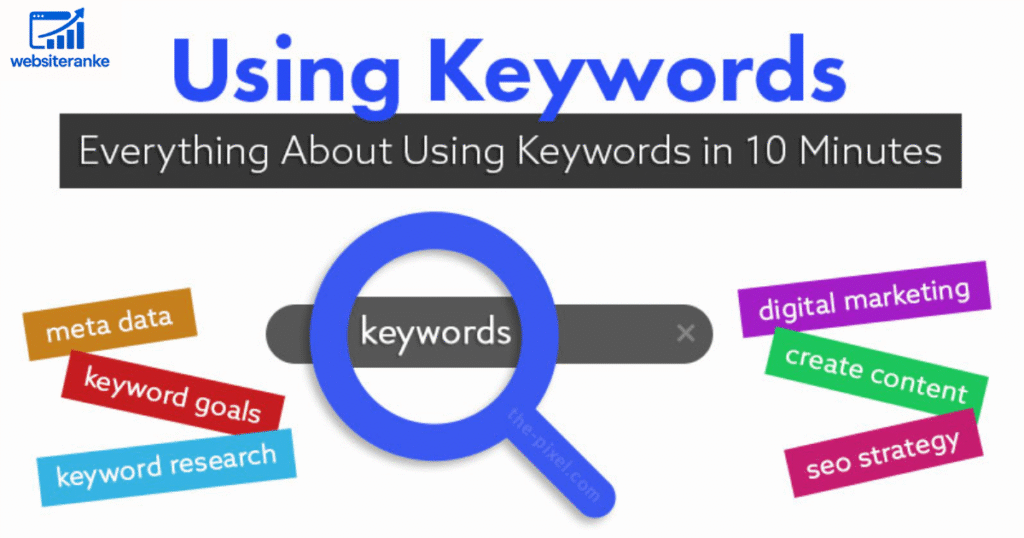
On-Page Optimization
Once you’ve chosen your keywords, strategically place them in important on-page elements. These include:
- Title tag
- Meta description
- URL slug
- Headings (H1, H2, H3)
- First paragraph
- Image alt text
Make sure your keyword integration feels natural — avoid keyword stuffing. Use variations and related terms to create a balanced, SEO-friendly article.
Create High-Quality Content
Even the best keywords won’t perform well if your content lacks quality. Focus on producing valuable, original, and well-structured content that satisfies user intent. Combine keywords with compelling storytelling, visuals, and actionable insights to keep readers engaged and coming back.
Tracking and Refining Your Keyword Strategy
Monitor Keyword Performance
After publishing your optimized content, track your keyword rankings and traffic performance using tools like Google Search Console, Ahrefs, or SEMrush. These tools show how your pages perform over time and which keywords drive the most traffic.
Refine and Update Regularly
SEO is a continuous process. Search trends and algorithms evolve, so you should regularly revisit your keyword strategy. Update old posts, add trending keywords, and refine meta descriptions to maintain and improve your rankings.
Key Points to Remember When Building a Keyword Strategy
- Focus on user intent, not just keyword volume.
- Combine short-tail and long-tail keywords for balance.
- Use semantic keywords to enhance context and relevancy.
- Continuously monitor performance and adjust your strategy.
- Regularly refresh old content with updated keywords and data.
Faqs
What is the main purpose of a keyword strategy?
The main purpose of a keyword strategy is to align your website content with what your target audience is searching for, improving your visibility and organic reach in search engines.
How many keywords should I target per page?
Ideally, focus on one main keyword and two to three supporting keywords per page. Overloading a page with too many keywords can negatively affect readability and SEO.
How often should I update my keyword list?
It’s recommended to review and update your keyword list every 3 to 6 months to stay aligned with new trends and changing search behaviors.
Are long-tail keywords better for SEO?
Yes, long-tail keywords are less competitive, easier to rank for, and often bring in users who are closer to making a purchase or taking action.
Can a single page rank for multiple keywords?
Absolutely. As long as the keywords are closely related and naturally included, a single page can rank for multiple relevant search terms.
Conclusion
Developing a keyword strategy is one of the most critical steps in building a successful SEO campaign. It ensures that your content connects with the right audience, fulfills user intent, and ranks well in search engine results.
A well-researched keyword plan helps you focus on what matters — providing valuable, targeted content that meets your audience’s needs. By continuously refining your strategy, you can adapt to market changes and maintain long-term search visibility.
Remember, a keyword strategy isn’t static. It evolves with your business goals, audience interests, and SEO trends. Stay consistent, track your progress, and keep optimizing — that’s how you build a keyword strategy that delivers lasting results.
Read more article on websiteranke