When it comes to search engine optimization (SEO), keyword research plays a vital role in driving organic traffic and improving visibility. However, one of the most crucial factors to consider during keyword research is keyword difficulty (KD) — a metric that measures how hard it is to rank for a specific keyword. Understanding this factor helps you make better decisions and set realistic expectations for your SEO campaigns.
Keyword difficulty directly influences how you build, adjust, and execute your strategy. It determines whether your website can compete with top-ranking pages and how much effort you’ll need to put into content creation and link building. Ignoring this metric can lead to wasted time, money, and resources.
By learning how Keyword Competition affects your strategy, you can focus on achievable goals, balance your content plan, and make smarter decisions that deliver measurable results. Let’s explore in depth how this essential SEO element shapes your approach and impacts your overall success.
Table of Contents
Understanding Keyword Difficulty
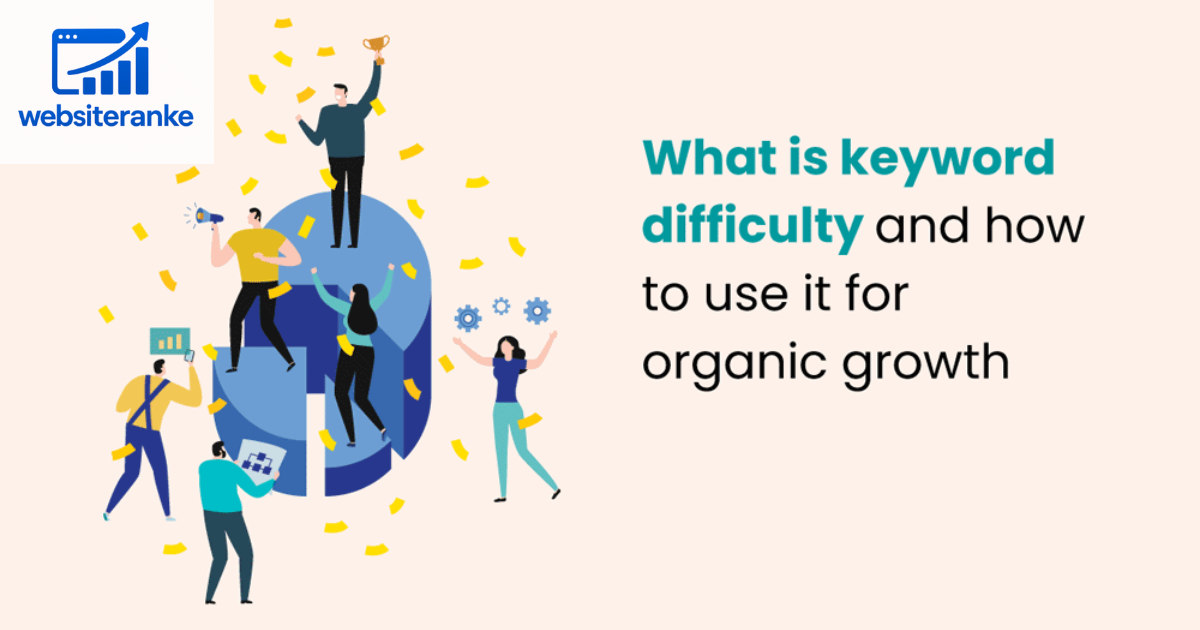
Keyword difficulty gives insight into the level of competition for ranking a keyword in search engine results pages (SERPs). It’s usually represented as a score between 0 and 100 — the higher the number, the more competitive the keyword.
How Keyword Competition is Calculated
SEO tools such as Ahrefs, SEMrush, and Moz determine keyword difficulty based on various factors, including:
- Domain authority of the top-ranking sites
- Number and quality of backlinks
- Relevance of content to the search query
- Page authority and optimization strength
Each of these elements contributes to the final KD score, helping you understand whether your site has the ability to rank for that term.
Types of Keyword Competition Levels
Keyword difficulty is commonly divided into three levels:
- Low difficulty (0–30): Easier to rank; suitable for new or small websites.
- Medium difficulty (31–70): Moderate competition; requires balanced SEO effort.
- High difficulty (71–100): Highly competitive; dominated by strong, established domains.
Recognizing where your website fits in this range helps you select the most effective keywords for your strategy.
How Keyword Competition Shapes Content Strategy
Keyword difficulty doesn’t only affect your choice of keywords; it also influences how you create, structure, and promote your content. A solid understanding of KD helps you build a realistic content plan that aligns with your SEO goals.
Choosing the Right Keywords for Your Goals
If you focus solely on high-volume keywords without checking their difficulty, you might struggle to see results. A smarter approach is to find a balance between search volume and competition.
For instance, instead of targeting “SEO tools” (high KD), you might go for “best SEO tools for beginners” (medium KD). This strategy allows you to gain traction faster while still driving relevant traffic to your site.
Optimizing Content for Competitive Keywords
When targeting keywords with high difficulty, your content must go above and beyond what already exists. This includes:
- Creating comprehensive, in-depth articles
- Adding original data or insights
- Building quality backlinks
- Enhancing on-page SEO through internal linking and optimized headings
These actions make your content more authoritative and competitive, helping it stand out among the top-ranking pages.
Impact of Keyword Competition on SEO Performance

Keyword difficulty also affects how quickly your site can achieve rankings, how much effort you need to invest, and what type of results you can expect.
Ranking Speed and Results Timeline
Low-difficulty keywords often show results faster because fewer strong competitors are targeting them. In contrast, high-difficulty keywords may take months or even years to rank due to established authority in the SERPs.
A smart SEO strategy involves targeting a mix of both, allowing you to gain early visibility while working toward more competitive terms in the long run.
Link-Building and Authority Growth
High-difficulty keywords usually require stronger backlink profiles and a higher domain authority. This means you must invest in link-building strategies such as guest posting, content partnerships, and digital PR campaigns.
Building links not only improves your ability to rank for competitive keywords but also strengthens your domain’s overall SEO performance.
Using Keyword Competition for Smarter SEO Decisions
When used strategically, keyword difficulty can guide your decisions, helping you allocate resources wisely and build a balanced growth plan.
Combining Keyword Competition with Search Intent
Always consider search intent when analyzing keyword difficulty. Sometimes a keyword may have high difficulty but strong conversion potential. For example, “best CRM for small business” might be competitive, but it can drive valuable leads.
In such cases, you can justify the extra effort because the payoff — in the form of leads or sales — is greater.
Building a Keyword Competition Ladder
Create a keyword ladder to structure your SEO progress:
- Start with low-difficulty keywords for quick wins.
- Move to medium-difficulty terms as your authority grows.
- Gradually tackle high-difficulty keywords once your domain gains credibility.
This systematic approach ensures steady growth and helps your site stay competitive over time.
- Helps identify realistic SEO goals based on your site’s strength.
- Prevents wasting time on unachievable keywords.
- Guides content creation and optimization efforts.
- Improves your ranking timeline by focusing on achievable terms.
- Boosts overall SEO efficiency and ROI through smarter keyword targeting.
Faq’s
What does Keyword Competition mean in SEO?
For beginners, it’s best to start with low to medium-difficulty keywords to gain traffic quickly. Once your site gains authority, you can target high-difficulty terms.
Do keyword difficulty scores vary between SEO tools?
Yes. Each SEO tool uses its own algorithm to calculate KD, so scores may differ slightly across platforms like Ahrefs, SEMrush, or Moz.
Can I rank for high-difficulty keywords without backlinks?
It’s rare. High-difficulty keywords often require strong backlink profiles and high-quality content to compete with established websites.
How often should I analyze keyword difficulty?
It’s good practice to review Keyword Competition regularly — at least every few months — to adapt your strategy as competition levels change.
Conclusion
Keyword difficulty is not just a number — it’s a reflection of your competition and an indicator of how much effort you’ll need to rank. Understanding it helps you create a realistic, efficient, and results-driven SEO strategy.
By analyzing KD scores, you can prioritize keywords that align with your website’s authority, goals, and available resources. This ensures you’re not chasing impossible rankings but instead building steady and sustainable growth.
Ultimately, Keyword Competition empowers you to make informed decisions, balance your content plan, and achieve long-term SEO success. When you use it strategically, it becomes one of the most powerful tools in your digital marketing arsenal.
Read more article on websiteranke